The third trimester can feel a bit like the final stretch of a long marathon. Your baby is growing quickly, your blood volume is higher, and everyday symptoms like heartburn, constipation, feeling full fast, and fatigue can make eating harder than it sounds.
That's exactly why a thoughtful third-trimester meal plan can help. Not a rigid diet. Not calorie counting. Just a practical way to make sure you're getting steady nourishment for your body and your baby during weeks 27 to 40.
In late pregnancy, nutritional needs shift. Protein, iron, choline, calcium, magnesium, fiber, fluids, and healthy fats all matter. At the same time, many pregnant women do best with smaller, more frequent meals rather than large plates of food. Your food choices do not need to be perfect, but it is important to be aware of certain nutrient-dense foods to include.
This guide walks you through what to prioritize, how to build balanced meals, and a realistic 7-day meal plan you can adapt to your appetite, preferences, and energy level.
The goal right now is to:
- Support fetal growth and development
- Meet increasing nutrient needs
- Support balanced blood sugar
- Prepare for labor
Note: If you want our most comprehensive third-trimester nutrition resources, you'll find those inside the Prenatal Nutrition Library app, which you can access for free for one week.
Medical Disclaimer
While this article is educational and evidence-based, it is not a substitute for medical care. If you have severe symptoms, concerns about weight gain, anemia, blood sugar, swelling, or trouble eating enough, check in with your OB-GYN, midwife, or a registered prenatal nutrition professional.
Why Nutrition Needs Change In The 3rd Trimester
The third-trimester is a time of rapid fetal growth, ongoing brain development, expanding maternal blood volume, and preparation for labor and postpartum recovery. In practical terms, that means your body usually needs more energy and more nutrients than it did earlier in pregnancy.
You may notice this in everyday life. Maybe you get hungry more often. Maybe you can only tolerate smaller meals. Maybe your usual routine no longer works because reflux shows up after dinner or you feel full after a few bites. That's common.
The goal of a good third-trimester meal plan is to support four big priorities:
- Fetal growth and development
- Your increased nutrient needs
- Balanced blood sugar and steady energy
- Preparation for labor and recovery
This is also a stage where food quality matters, but perfection does not. Think consistent nourishment over ideal meals.
How Much To Eat In Late Pregnancy
Energy needs often rise in the third trimester, and many people need about 450 extra calories per day compared with pre-pregnancy needs. But that number is an estimate, not a rule you need to track exactly.
A more practical approach is to:
- Eat 3 meals plus 2 to 3 snacks most days
- Avoid going long stretches without eating
- Build meals with protein, fiber-rich carbs, and healthy fats
- Eat until you feel comfortably satisfied, not overly full
If you're feeling full quickly, splitting intake across the day may help more than trying to eat large meals.
For example:
- Breakfast
- Mid-morning snack
- Lunch
- Afternoon snack
- Dinner
- Small evening snack if needed
Appetite can vary day to day. That's normal. Some days you may want more food. Other days, especially if you have heartburn or pressure from the baby's position, smaller portions may feel better.
If you're unsure whether you're eating enough, or if nausea, vomiting, or strong food aversions are limiting intake, it's worth bringing that up with your healthcare provider.
The Nutrients To Prioritize In Every Day Of Your Plan
You do not need a perfect menu to eat well in late pregnancy. But it helps to know which nutrients do the heaviest lifting so you can include them regularly.
Protein And Iron For Growth And Blood Volume
These two nutrients are especially important in the third trimester.
Protein supports fetal tissue growth, placenta needs, maternal tissue changes, and satiety. Including protein at meals and snacks can also help with more stable energy.
Food-first protein options include:
- Eggs
- Greek yogurt or cottage cheese
- Chicken or turkey
- Fish and shellfish
- Red meat
- Tofu, tempeh, and edamame
- Lentils, beans, and chickpeas
- Milk or fortified soy milk
- Hemp seeds
Iron matters because your blood volume increases substantially during pregnancy. Iron supports oxygen transport for both you and your baby. Low iron intake or low iron stores can contribute to fatigue, and in some cases, iron deficiency anemia.
If you suspect anemia or have symptoms such as extreme fatigue, shortness of breath, dizziness, or craving ice, ask your clinician about testing rather than guessing.
Iron-rich foods include:
- Red meat
- Cooked shellfish
- Poultry
- Beans and lentils
- Tofu
- Cooked spinach
- Pumpkin seeds
A simple tip: pair plant-based iron foods with a vitamin C source like berries, oranges, bell peppers, or tomatoes to help with absorption.
Calcium, Vitamin D, And Magnesium For Bones And Muscle Function
These nutrients help support your baby's bone development and your own muscle and nerve function.
Calcium is needed for bones and teeth, but also for muscle contraction and heart function. If intake is too low, your body can draw on maternal stores (4).
Good calcium sources include:
- Milk
- Yogurt
- Cheese
- Fortified plant milks
- Calcium-set tofu
- Kale and broccoli
- Salmon with bones
Vitamin D helps your body absorb and use calcium. Food sources are more limited, but can include fortified dairy or plant milk, eggs, and fatty fish. Some people need supplementation based on lab results or clinician guidance.
Magnesium supports muscle function, sleep, and fluid balance, and may help with cramps in some cases (4).
Food sources include:
- Pumpkin seeds
- Almonds and cashews
- Black beans
- Peanut butter
- Oats
- Bananas
- Dark leafy greens
Fiber, Fluids, And Healthy Fats For Digestion, Fullness, and Baby's Brain
In the third-trimester, digestion often slows. That can mean constipation, bloating, and feeling overly full. Fiber and fluids work together here.
Fiber-rich foods include:
- Avocado
- Beans and lentils
- Chia seeds
- Berries
- Pears and apples
- Vegetables of all kinds
Increase fiber gradually if your intake has been low, and pair it with enough fluid so it actually helps.
Fluids support circulation, digestion, and stool softness. Water is great, but it does not have to be the only option. Milk, soups, smoothies, sparkling water, and unsweetened tea can all contribute to it.
A simple hydration check: aim for pale yellow urine most of the day.
Quality fats help with fullness, nutrient absorption, and fetal brain and eye development (x). Omega-3 fats, like DHA, are especially relevant in pregnancy.
Direct sources of DHA include:
- Salmon
- Sardines
- Trout
Other fats:
- Full-fat dairy
- Meat
- Walnuts
- Chia seeds
- Ground flax
- Avocado
- Olive oil
- Nut and seed butters
For fish, choose low-mercury options and aim for at least 8 to 12 ounces (227 to 340 g) per week.
How To Build A Balanced 3rd Trimester Plate
Knowing how to put together a balanced plate can take the mental load out of meal planning. You do not need to measure everything. Just use a simple visual pattern.
A helpful template is:
- Half the plate: non-starchy vegetables
- One quarter: whole grains or other high-fiber carbs (like fruit)
- One quarter: protein
- Add-ons: 2 tbsp quality fats
Here's what that can look like in real meals:
- Salmon + quinoa + broccoli + olive oil
- Lentil soup + side salad + yogurt
- Egg scramble + whole wheat toast + berries + avocado
- Chicken rice bowl + black beans + sautéed peppers + shredded cheese
If you're dealing with low appetite, the same formula still works. Just make it smaller and eat more often.
Simple Meal Planning Tips For Busy Or Low-Energy Days
Late pregnancy is not the season for complicated cooking projects unless you truly enjoy them.
A realistic third-trimester meal plan often relies on easy-to-assemble, easy-to-digest, and easy-to-repeat foods.
Try these strategies:
- Keep grab-and-go snacks visible: yogurt, cheese sticks, bananas, trail mix, whole grain crackers
- Prep a few protein options once or twice a week: hard-boiled eggs, baked chicken, lentils, tofu, salmon patties
- Use freezer-friendly meals like soups, chili, and burritos
- Buy washed or pre-cut produce if it helps you actually eat more fruits and vegetables, but note that pre-cut produce you will eat raw carries a higher risk of bacterial growth.
- Make smoothies on days when chewing feels like work, or when you are feeling full quickly
- Pair carbs with protein or fat for more steady energy
- Set a phone reminder to eat every 3 to 4 hours if you tend to forget
Good "low-effort" combinations include:
- Cottage cheese + fruit + walnuts
- Peanut butter toast + milk
- Hummus + pita + cucumber
- Smoothie with Greek yogurt, banana, spinach, and nut butter
- Greek yogurt, chia seeds, and blueberries
And if dinner ends up being eggs and toast with fruit on the side? That can still be a solid meal.
A 7-Day 3rd Trimester Meal Plan
This sample plan is designed to be practical, balanced, and flexible. Adjust portions based on your hunger, symptoms, and guidance from your care team. You can also swap meals between days.
7-Day Third Trimester Meal Plan
Nutrient-dense meals to support the final stretch and prepare for birth.
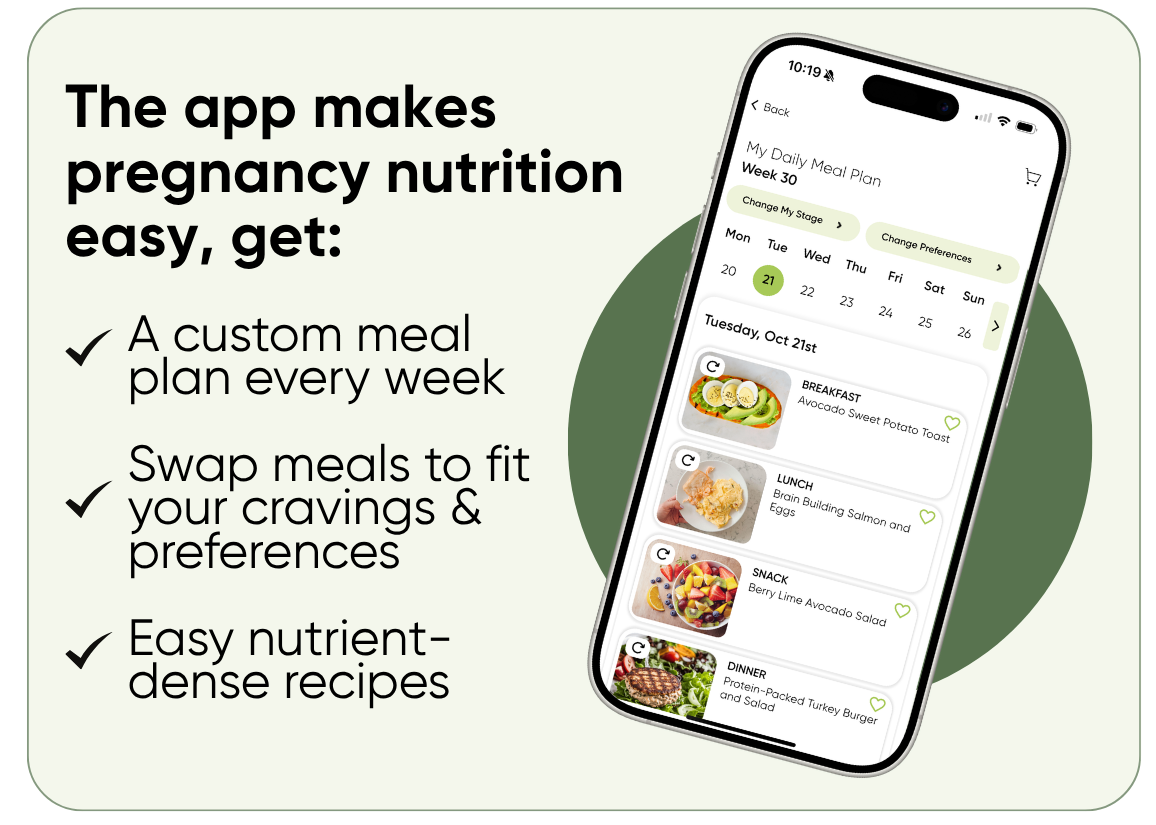
My Daily Meal Plan
Third Trimester
Monday, March 23
Breakfast Cauliflower Casserole
Rainbow Lentil Tacos
Popcorn + Seeds
Curried Tofu & Lentils
Blueberry Chia Parfait
Best Foods For Common 3rd Trimester Symptoms
During the third-trimester, hormonal changes and your baby's rapid growth can lead to a variety of physical symptoms. Many of the symptoms below are common. Small nutrition and lifestyle habits can often help make them more manageable.
Symptoms can shape what a realistic meal plan looks like in late pregnancy. Food may not solve every symptom, but it can sometimes make them easier to manage.
What To Eat For Heartburn, Constipation, Swelling, And Fatigue
Heartburn or Reflux
- Eat smaller, more frequent meals
- Avoid lying down right after eating
- Limit very spicy, greasy, or acidic foods if they tend to trigger symptoms
- Try these pregnancy-safe digestive enzymes
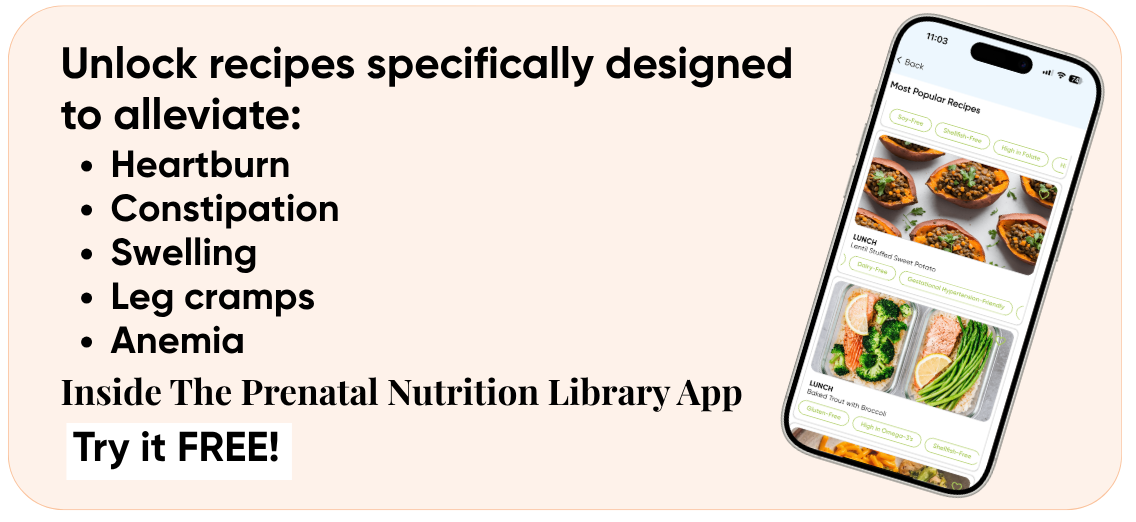
Go to the full heartburn relief guide in the app!
Constipation
- Increase fiber gradually from foods like fruits, vegetables, chia seeds, and beans
- Stay well hydrated throughout the day
- Gentle daily movement, like walking, can help support digestion
Go to the full constipation relief guide in the app!
Swelling (Feet & Ankles)
- Stay hydrated
- Gentle walking or movement throughout the day
- Elevate your feet when possible
Go to the full swelling relief guide in the app!
The 3 Foundations That Matter Most
These are the top three things we want you to focus on first.
Stay Hydrated
Why it matters: Blood volume expands significantly during the third trimester. Adequate hydration supports circulation and digestion, helps maintain energy levels, and can reduce constipation and headaches.
Start here:
- Aim for pale yellow urine most of the day
- Prioritize beverages low in added sugar when possible: water, sparkling water, electrolytes, coconut water, soups, smoothies, tea, or milk
- Consider doing a daily mineral mocktail to support hydration needs
Quality Fats
Why it matters: Quality fats play an important role in supporting both you and your baby. Certain fats, especially omega-3s like DHA, help to develop your baby's brain, eye, and nervous system development (1).
Fats also support your health by helping regulate hormones, keeping you fuller for longer, supporting balanced blood sugar, and helping your body absorb important fat-soluble vitamins like vitamins A, D, E, and K (2).
Fats to include regularly:
- Fatty fish like salmon, sardines, and trout
- Meat
- Full-fat dairy
- Avocado
- Coconut
- Nuts and nut butters
- Seeds like chia seeds or pumpkin seeds
- Olive oil
Aim for 1-2 sources of fat in every meal.
Essential Minerals
Minerals help support both your health and your baby's rapid growth during the third trimester. They play important roles in bone development, oxygen transport, muscle function, and fluid balance (3).
Key minerals to prioritize include:
- Iron: supports increased blood volume and oxygen delivery to you and your baby
- Calcium: helps build your baby's bones and teeth. Pairing with a vitamin D source helps your body absorb and use calcium more efficiently.
- Magnesium: supports muscle function, blood flow, and sleep
- Potassium: helps regulate fluid balance and nerve function
- Sodium: helps regulate fluid levels, electrolyte balance, and cellular activity
Getting enough of these minerals may also help support energy levels and reduce symptoms such as fatigue and muscle cramps (4).
Start here:
- Eat a variety of whole foods like fruits, vegetables, beans, whole grains, nuts, and seeds
- Include iron-rich foods such as meat, poultry, beans, lentils, tofu, and fortified grains
- Add calcium-rich foods like dairy, yogurt, fortified plant milks, or leafy greens
- Continue taking your prenatal vitamin to help fill nutrient gaps
Foods And Drinks To Limit Or Avoid In The 3rd Trimester
The list of foods to avoid in pregnancy is smaller than many people are led to believe, but food safety does matter.
In the third-trimester, continue to limit or avoid:
- High-mercury fish such as shark, swordfish, king mackerel, marlin, orange roughy, and tilefish
- Raw or undercooked fish and shellfish
- Unpasteurized dairy products and foods made from them
- Raw sprouts
- Undercooked eggs, meat, or poultry
- Excess caffeine
- Alcohol
For caffeine, many experts advise keeping intake at or below 200 mg per day. For some people, that is about 1 to 2 small cups of coffee, depending on strength. If iron is a concern, it may help to have coffee or tea away from iron-rich meals.
A note on fish: Fish is a valuable part of a 3rd trimester meal plan because it provides essential nutrients that are difficult to get from other foods, like iodine, DHA, and vitamin D. As long as you choose low-mercury options such as salmon, sardines, trout, shrimp, cod, and light tuna, you and your baby will be safe.
Basic food safety habits still matter too:
- Wash produce well
- Refrigerate leftovers promptly
- Heat deli meats until steaming
- Wash hands and surfaces during food prep
- Cook animal foods to safe internal temperatures
If you have questions about a specific food, search it in the app, or book a quick question call with our prenatal registered dietitians.
Third Trimester Supplements to Consider
Everyone:
Prenatal vitamin
- Use our prenatal guide in the app to find the best option for you!
To consider (based on labs, diet, or symptoms):
Preparing for Birth
During the final month of pregnancy, small habits and preparations can help support your body as it gets ready for labor and delivery.
Helpful ideas:
- Keep simple, nourishing foods on hand (soups, overnight oats, hard-boiled eggs, etc.)
- Stay hydrated and continue prioritizing regular meals and snacks
Dates
Dates contain fiber and antioxidants, which can support digestion and your overall health. They are widely touted to help with labor when eaten consistently in the third trimester, and there is some research to support this notion (5). Importantly, dates do not "put you into labor"; they may help prepare your body for labor.
Dates are a great option to eat before, during, and even after pregnancy.
According to some studies and reviews, dates can:
Dates are high in carbohydrates, so even if you do not have gestational diabetes, it is important to pair them with protein and fat. Like smearing nut butter and sprinkling hemp seeds on top, or adding to a smoothie with Greek yogurt, berries, and spinach, for example.
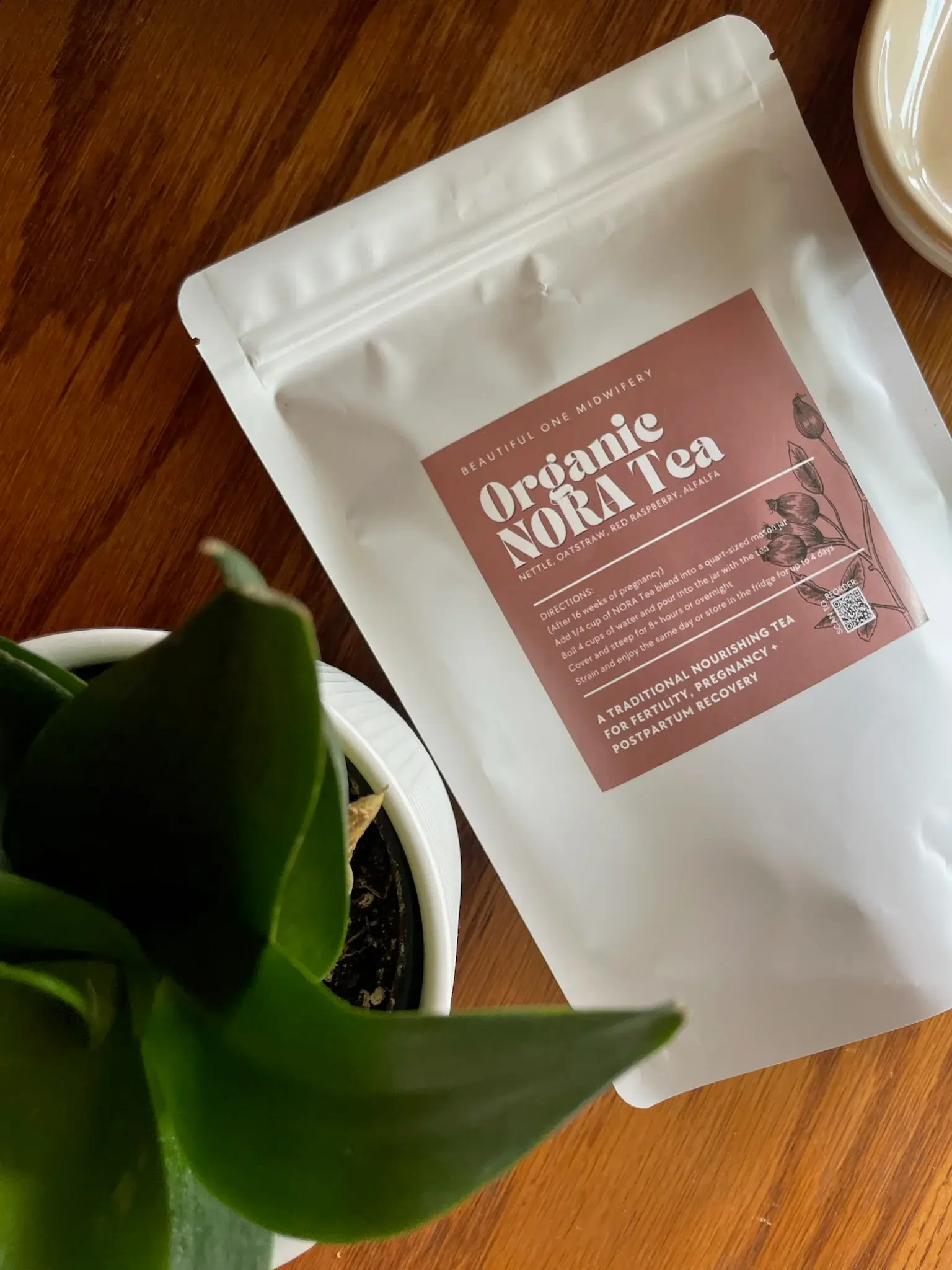
Red Raspberry Leaf Tea
Red raspberry leaf tea has been traditionally used in Chinese medicine to support menstrual health, pregnancy, labor, and postpartum recovery. It contains high amounts of antioxidants and polyphenols, which can help reduce cell damage and prevent disease (8).
Of note, it does contain tannins, which may decrease iron absorption (11).
What does the research say about labor prep?
- Consuming it during the final weeks of pregnancy may shorten the second stage of labor (9)
- Most research supports that there is no significant difference in the length of gestation for those who did vs. did not consume red raspberry leaf tea during pregnancy (10)
- Research suggests that drinking red raspberry leaf tea can support urinary recovery and hydration after delivery, although the evidence is limited (9)
While we do have research, it is still limited in pregnant individuals. Because of this, consume red raspberry leaf tea in moderation (1 to 3 cups/day) and avoid concentrated extracts.
We recommend using NORA tea starting as early as the 2nd trimester (use code RYANN10)!
When to Get Help
Talk to your provider if:
- You are extremely fatigued despite adequate intake
- You can't stop eating ice (get your iron checked)
- You want to eat non-food items (Pica)
- You experience ongoing nausea and vomiting
- You have a headache that won't go away
- You have swelling accompanied by a headache
- You have questions or need support
Conclusion and The Big Picture Reminder
The third trimester can be really hard and feel very long. Your job now is to support your body's increased nutrient needs by eating balanced, frequent meals, resting when you need to, staying hydrated, and pushing through the last part of your pregnancy towards the finish line.
You've got this!
Questions about your third trimester? Need support?
Go to "Ask an RD" (search it or post your question there), book a 60-minute nutrition consultation, or book a Quick Question Call
Start Free Trial
Ryann Kipping
Licensed Dietitian & Founder of The Prenatal Nutrition Library
Prenatal dietitian with a Master's in Public Health and author of The Feel-Good Pregnancy Cookbook. Founder of The Prenatal Nutrition Library App.