Best Bread for Pregnancy: 5 Healthy Picks to Choose
Walking down the bread aisle during pregnancy can feel oddly complicated. Whole wheat, whole grain, sourdough, rye, sprouted, every loaf seems to promise something different.
The good news is that bread can absolutely fit into a healthy pregnancy diet. In many cases, it's practical, affordable, easy to tolerate, and a useful source of carbohydrates for energy. The key is choosing bread that supports steady blood sugar, adds fiber and nutrients, and works with your real-life symptoms, whether that's nausea, constipation, or gestational diabetes.
Here's how to pick the best bread for pregnancy without overthinking every slice.
What Makes A Bread Pregnancy-Friendly
The best bread for pregnancy is usually 100% whole-grain, sprouted whole-grain, or real sourdough. That's because whole grains keep all parts of the grain kernel, the bran, germ, and endosperm, while refined white bread removes some of the most nutrient-dense parts. We will talk more about the types below!
In practical terms, a pregnancy-friendly bread tends to offer:
- More fiber for digestion and bowel regularity
- More B vitamins and minerals than in refined bread
- Slower-digesting carbohydrates that may support steadier energy
Fiber matters more than many people realize in pregnancy. As hormones shift, digestion often slows down, and constipation becomes common. A higher-fiber bread can help support bowel regularity and may also help you feel fuller after meals.
Whole-grain breads may also be more helpful for blood sugar balance than white bread, especially when eaten with protein and fat. White bread is safe, but it generally has a higher glycemic effect (raises your blood sugar more) and offers less fiber.
This doesn't mean you need to fear white bread, especially if it's one of the few foods you can tolerate during nausea, but it may not be the most supportive choice for everyday use.
A few label tips can help:
- Look for "100% whole wheat" or "100% whole grain" on the front
- Check that the first ingredient says whole wheat flour or another whole grain (the word 'whole' is important)
- Choose breads with at least 2 to 3 grams of fiber per slice when possible
- Check for "added sugar."
Yeast breads and sourdough breads are considered safe in pregnancy when fully baked. If you have celiac disease or a diagnosed gluten-related disorder, gluten-free bread is important. Otherwise, there is no strong evidence that avoiding gluten during pregnancy improves health.
If you have ongoing digestive symptoms, severe bloating, or concerns about food reactions, it's a good idea to speak with a registered dietitian rather than self-diagnosing a gluten issue.
Best Types Of Bread During Pregnancy
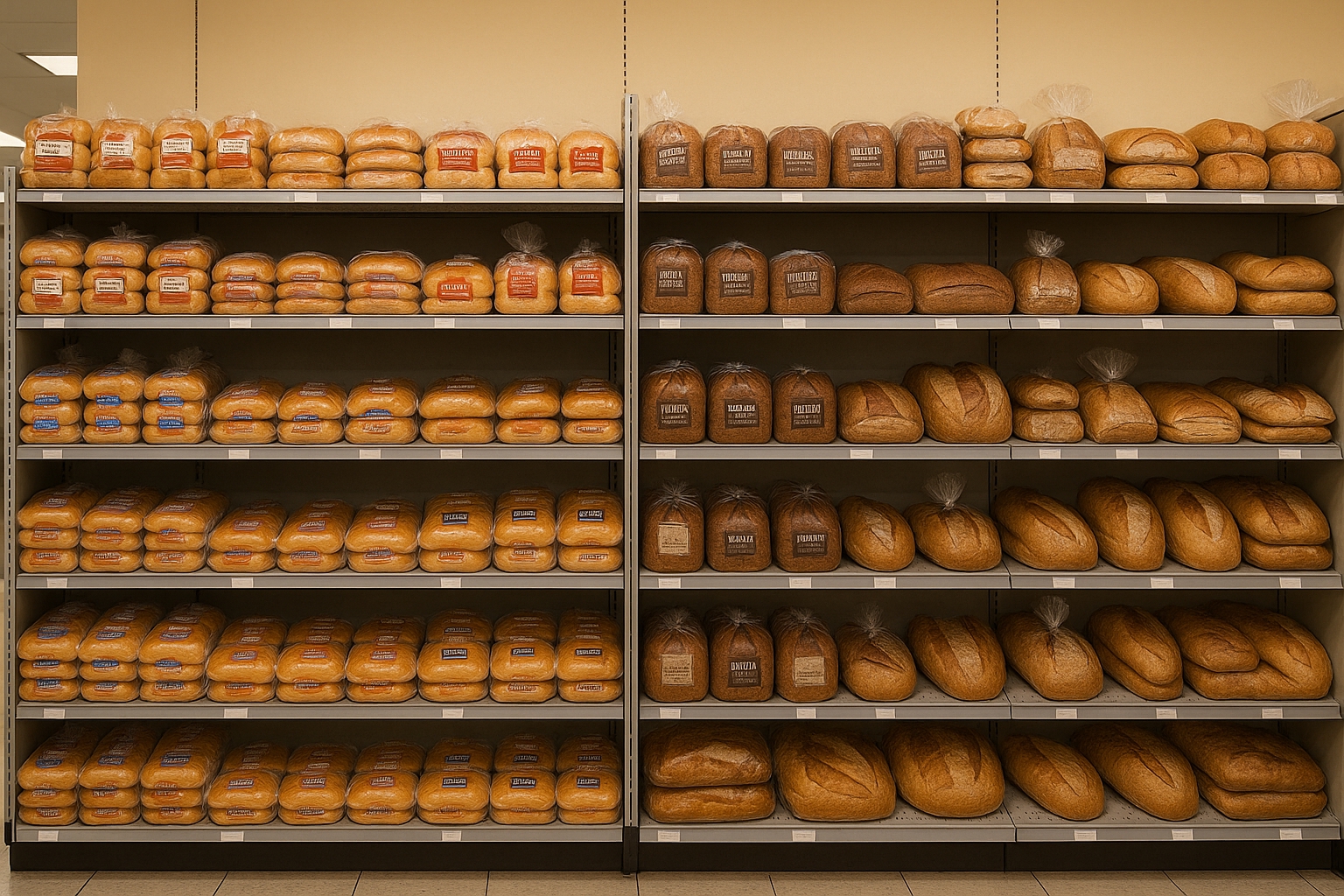
Not every loaf is nutritionally equal, but several types of bread can work well during pregnancy.
1. 100% whole wheat bread
This is one of the strongest all-around choices. It provides complex carbohydrates, fiber, and useful nutrients such as iron and B vitamins. It's versatile, easy to find, and often budget-friendly. For many people, this is the simplest answer to the question of the best bread for pregnancy.
2. 100% whole grain bread
Whole grain bread is similar to whole wheat, but it may include grains beyond wheat, such as oats, barley, or millet. If the loaf is truly whole grain, it can offer a broader nutrient profile and solid fiber content. Look for a whole grain stamp or a clear ingredient list.
3. Whole-grain sourdough or regular sourdough
Sourdough made with whole-grain flour can be an excellent option. Fermentation may improve flavor and digestibility, and some studies suggest sourdough can have a lower glycemic response than standard white bread.
It also tends to be easier for some people to tolerate when nausea or bloating is an issue. Regular sourdough bread is a good option as well.
True sourdough bread has just three ingredients: flour, water, and salt.
4. Rye or pumpernickel
These breads are often denser and higher in fiber than white bread. Rye may support fullness and steadier blood sugar after meals. As always, ingredient lists matter; some "rye" breads are mostly refined flour with added coloring or small amounts of rye.
5. Sprouted grain bread
Sprouted grain bread (like Ezekiel 4:9) can be a good choice if you want more fiber, slightly more protein, and a hearty texture. Some people also find it is easier to digest and generally more satisfying to toast or make sandwiches. A real winner!
What about white bread?
White bread is safe during pregnancy. It may even be one of the few foods that sounds manageable in the first trimester. But as a staple, it usually offers less fiber and fewer naturally occurring nutrients than whole-grain options. Think of it as a workable option, not usually the most nutrient-dense one.
How To Choose Bread For Gestational Diabetes, Nausea, And Daily Meals
The best bread for pregnancy also depends on what your body needs right now.
If you have gestational diabetes
Bread can still fit into your meals, but the type and pairing matter. In general, whole grain bread, whole wheat bread, and some sourdough breads are better choices than white bread because they tend to digest more slowly.
Everyone will have a different blood sugar response to various foods, so it is important to test your numbers and find a bread and bread-pairing combo that works for you.
Helpful strategies include:
- Choose bread with more fiber, more protein, and less added sugar
- Pair bread with protein, such as eggs, Greek yogurt, hummus, turkey, peanut butter, or cottage cheese
- Add healthy fat, such as avocado, nut butter, or cheese, to slow digestion, especially if you are in the third trimester
- Watch portion size and test how your body responds if you're monitoring blood sugar
If you are struggling with what to eat for gestational diabetes, join the TPNL app. Inside, you'll get a custom weekly meal plan catered towards gestational diabetes and a vault of GD-friendly recipes.
Try it free here!
If you're dealing with nausea
Sometimes, toast is survival food. If bread is one of the few foods you can keep down, eating bread is often more helpful than skipping food altogether.
You might tolerate:
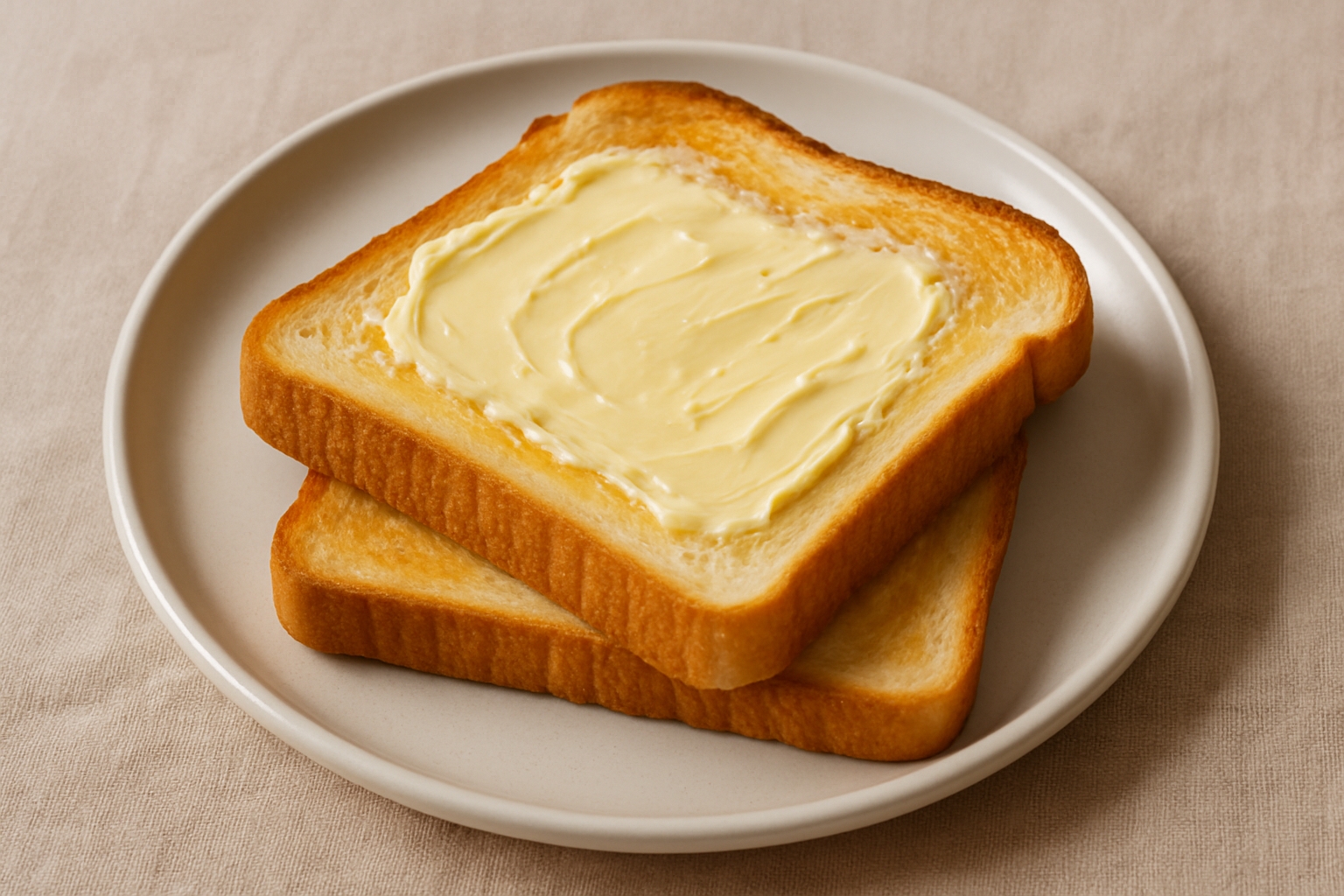
- Plain toast with butter
- Sourdough toast
- Whole wheat toast with a thin spread of nut butter
- Crackers or dry bread first thing in the morning
If possible, choose a bread that gives you a bit more staying power, such as whole wheat, whole grain, or sprouted grain. But if plain white toast is all you can manage for a stretch, that's okay. It is important to eat what you can keep down.
Get our full nausea relief guide inside the app!
For everyday meals
Use bread as a base for balanced meals rather than eating it alone every time. Try:
- Avocado toast with eggs
- Toast with ricotta, berries, and hemp seeds
- Peanut butter, banana, and chia seeds on sourdough
- Tuna or salmon salad on whole-grain toast
- Hummus and cucumber sandwiches
For food safety, use refrigerated spreads and dairy products that are properly stored and pasteurized. If you notice mold on one slice of bread, discard the whole loaf.
A simple shopping checklist:
| What to look for | Why it helps |
|---|---|
| 100% whole grain or 100% whole wheat | More fiber and nutrients |
| 2–3 g fiber per slice or more | Better digestion and fullness |
| Lower added sugar | Supports steadier blood sugar |
| Short, recognizable ingredient list | Easier label reading |
| Bread you actually enjoy | Consistency matters |
Be aware that extra-high fiber breads may cause GI discomfort rather than relief. You may also encounter thinly sliced bread, organic, or 'keto' (low-carb) options. Rest assured, we still recommend the general guidance of this blog.
Conclusion
Bread can be part of a healthy pregnancy diet, and for most people, 100% whole grain or 100% whole wheat bread is the best place to start. It offers more fiber, steadier energy, and a stronger nutrient profile than refined options. If you have nausea, white bread may still be useful. If you have gestational diabetes, choosing higher-fiber bread and pairing it with protein can help.
When to Seek Medical Advice
Talk with your healthcare team if you have severe nausea, trouble eating enough, major blood sugar concerns, symptoms after eating gluten, or questions about celiac disease, gestational diabetes, or nutrient deficiencies.
If you want more personalized nutrition guidance, consider booking a consultation with one of our prenatal registered dietitians or chatting with us in the app's forum here; it is free to get started!
Frequently Asked Questions
What is the best bread for pregnancy?
Usually, 100% whole grain or 100% whole wheat bread because it provides more fiber, iron, and steady energy.
Is sourdough bread good during pregnancy?
Yes, fully baked sourdough is great in pregnancy and may be easier to digest for some people.
Can you eat white bread during pregnancy?
Yes. White bread is safe, though it usually has less fiber and may raise blood sugar faster than whole-grain breads.
Should you avoid gluten in pregnancy?
Not unless you have celiac disease, wheat allergy, or another diagnosed gluten-related condition.

Ryann Kipping
Licensed Dietitian & Founder of The Prenatal Nutrition Library
Prenatal dietitian with a Master's in Public Health and author of The Feel-Good Pregnancy Cookbook. Founder of The Prenatal Nutrition Library App.

Make pregnancy nutrition simple.
Get custom meal plans, 600+ dietitian-approved recipes, and our "Can I eat…?" search—plus, trimester-by-trimester nutrition priorities and more.