Nitrates and Pregnancy: Food, Water, and Baby Safety Guide (2026)
If you're pregnant, trying to conceive, or thinking more carefully about what's in your food and water, nitrates can sound confusing fast. They're often framed as something to fear, yet many nutritious vegetables naturally contain them.
The real issue is context: where nitrates come from, how they're converted in the body, and which exposures deserve the most attention during pregnancy. In most cases, this is not about cutting out entire food groups. It's about making informed choices around processed meats, water quality, and overall diet patterns.
Nitrates and Pregnancy: What Nitrates Are And Why They Matter During Pregnancy
Nitrates are naturally occurring compounds made of nitrogen and oxygen. They're found in soil, water, plants, and some foods, and they're also used in fertilizers and food preservation. Once you eat nitrate, some of it is converted by bacteria in your mouth into nitrite. From there, the body can form either beneficial compounds, such as nitric oxide, or, under certain conditions, potentially harmful compounds called nitrosamines.
That distinction matters in pregnancy.
Nitric oxide helps regulate blood flow and blood vessel function. During pregnancy, that's especially relevant because healthy circulation supports the placenta and fetal growth. Researchers are actively studying whether dietary nitrates from vegetables may support nitric oxide production to benefit placental blood flow.
At the same time, higher exposure to nitrate and nitrite from contaminated drinking water or processed meats has raised concern in pregnancy research. Some studies suggest links with adverse birth outcomes such as preterm birth, low birth weight, and certain birth defects, especially when water nitrate levels are elevated. Nitrite is also relevant because it can interfere with how blood carries oxygen. In severe cases, this can contribute to methemoglobinemia, a condition that reduces oxygen delivery.
It's important to keep this in perspective. Nitrates themselves are not all "bad," and vegetables are not the problem most people need to worry about. The bigger questions are source, amount, and what else is present in the food or water. If you have symptoms, concerns about well water, or a high-risk pregnancy, bring them to your prenatal care team.
This article is for education, not diagnosis or medical treatment.
Where Nitrate Exposure Comes From: Processed Meats, Vegetables, And Drinking Water
For most people, nitrate exposure comes from three main places: vegetables, processed meats, and water. But these sources do not carry the same level of concern.
Processed meats
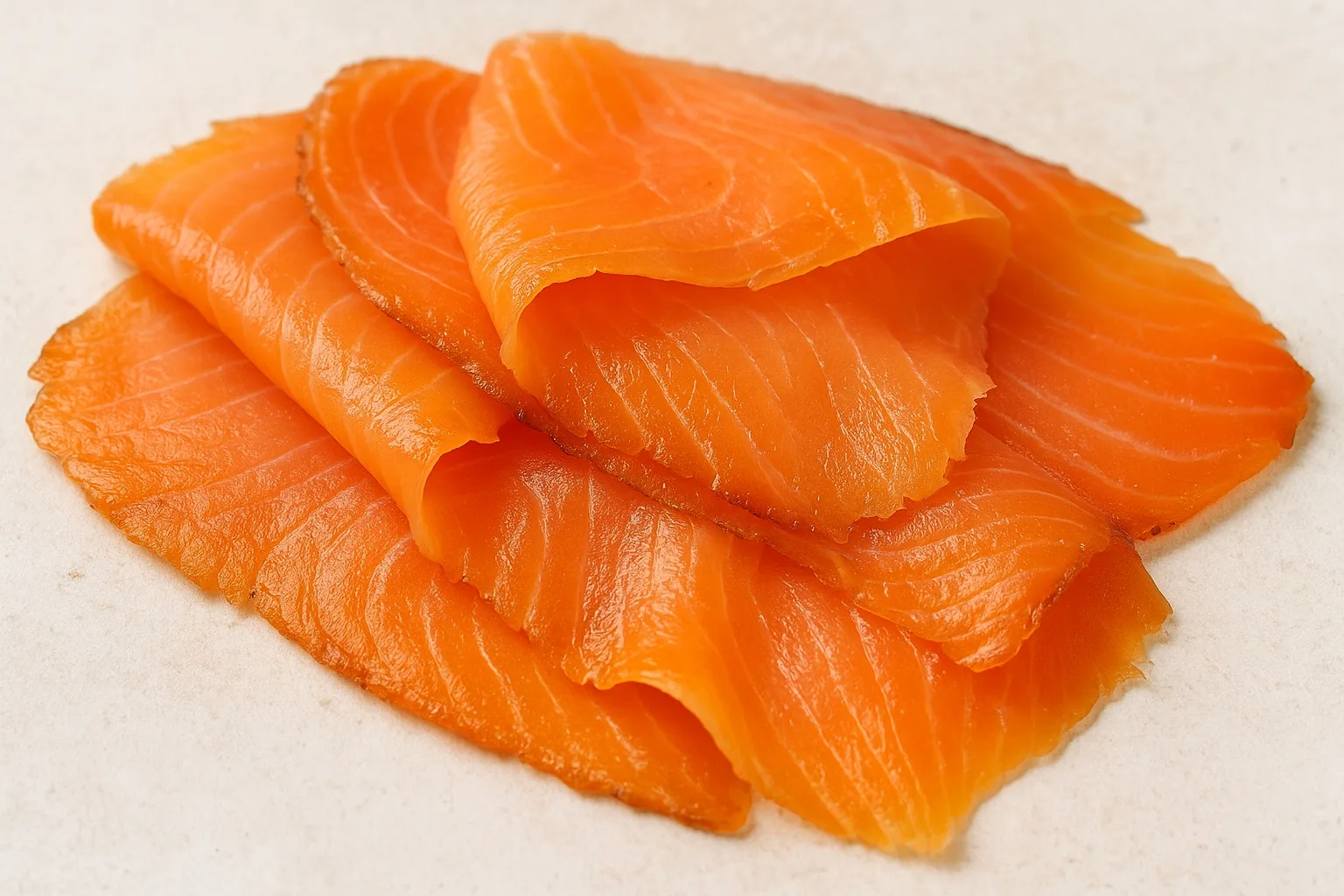
Processed meats such as bacon, ham, sausage, hot dogs, deli meats, and cured meats often contain added nitrate or nitrite to preserve color, flavor, and shelf life. Nitrites are more reactive, and when these meats are cooked at high heat, they can form nitrosamines. Those compounds have been linked to cancer risk in other settings and are one reason processed meat intake is generally advised in moderation.
In pregnancy, processed meats also pose a separate food safety issue: the risk of foodborne illness if they are underheated or improperly stored. So if you eat them, moderation and careful preparation both matter.
Vegetables
Here's the part that gets lost online: about 80% of nitrate intake often comes from vegetables, especially leafy greens and beets. Spinach, lettuce, radishes, and beetroot can be naturally high in nitrate. Yet these foods also provide vitamin C, polyphenols, fiber, folate, and potassium. Those compounds may help limit the formation of harmful nitrosamines.
That's why nitrate-rich vegetables are generally considered a healthy part of a pregnancy diet, not something to avoid. Food-first nutrition still applies here.
Drinking water
Water deserves closer attention, especially if you use private well water or live in an agricultural area. Nitrate contamination can happen from fertilizer runoff, septic leakage, and animal waste entering groundwater or surface water. Some studies have found increased risk of preterm birth and other adverse outcomes even at levels below the current US regulatory limit, although the evidence is still evolving and not all studies can fully control for other risk factors.
Public water systems are regulated and monitored. Private wells are not monitored in the same routine way, which is why they can be a blind spot during pregnancy.
| Source | Typical concern in pregnancy | Practical takeaway |
|---|---|---|
| Vegetables | Natural nitrate, usually buffered by protective nutrients | Keep eating a variety of vegetables |
| Processed meats | Added nitrite/nitrate, high-heat cooking, and overall diet quality | Avoid daily intake, choose higher quality options |
| Drinking water | Possible contamination, especially in private wells | Test well water and consider filtration if needed |
Use the Prenatal Nutrition Library App to learn more about nitrates while pregnant and look up the safety of any food for pregnancy - try it free!
How To Lower Nitrate Risk In Pregnancy Without Over-Restricting Your Diet
The goal is not zero nitrate exposure. That would be unrealistic and unnecessary. A smarter approach is to reduce the sources that may pose more risk while keeping the foods that support a healthy pregnancy.
1. Keep vegetables in your diet
Leafy greens, beets, broccoli, and other vegetables provide important nutrients for pregnancy. They also support a healthy overall dietary pattern. Pairing nitrate-rich vegetables with foods that contain vitamin C, such as citrus, strawberries, bell peppers, or tomatoes, may help reduce nitrosation.
2. Limit processed meats rather than relying on "nitrate-free" claims
You do not need to panic over an occasional serving of bacon or deli meat, but daily intake is not ideal. Labels that say "uncured" or "no nitrates added" can still use natural sources like celery powder, which may function similarly in the product. What matters more is frequency, portion size, and cooking method.
Helpful habits include:
- Eating processed meats less often
- Avoiding charring or very high-heat cooking
- Choosing more fresh, minimally processed protein sources
- Pairing meals with vitamin C-rich produce
3. Pay attention to your water source
If your home uses a private well, testing is one of the most practical steps you can take before or during pregnancy. In the US, the regulatory standard for nitrate in drinking water is 10 mg/L as nitrate-nitrogen. If levels are elevated, reverse osmosis is one of the most commonly used filtration methods to reduce nitrate levels. Boiling water does not remove nitrate and may actually concentrate it.
If you use municipal water, your risk is often lower because public systems are regulated. Still, if you have concerns about local water quality, review your local water report or ask your provider which questions to raise.
You can see what is in your tap water by entering your ZIP code into the EWG water database here.
4. Be extra thoughtful in higher-risk situations
More caution may be reasonable if you:
- Live in a farming region
- Use well water
- Have known water contamination issues in your area
- Are in late pregnancy and want to review environmental exposures with your care team
When to Seek Medical Advice
Talk with your healthcare provider promptly if you are pregnant and:
- Rely on private well water that has not been tested
- Learn that your local water supply has elevated nitrate levels
- Have questions about repeated processed meat intake and overall diet quality
- Notice concerning symptoms such as unusual shortness of breath, bluish skin tone, or severe fatigue
These symptoms can have many causes, and this article cannot diagnose them. A licensed clinician can help determine what testing or follow-up is appropriate.
If you want personalized guidance, consider speaking with your obstetric provider or a registered dietitian or prenatal nutrition professional who can review your diet and water source in context.
Conclusion
Nitrates and pregnancy are not a simple "good" or "bad" story. The source matters. Vegetables remain an important, nutrient-dense part of prenatal nutrition, while processed meats and potentially contaminated water deserve more caution.
Focus on a balanced diet, safer water habits, and practical moderation. If you're unsure about your water source or diet pattern, checking in with your healthcare provider or a qualified prenatal nutrition professional is a sensible next step.
Use the Prenatal Nutrition Library App to learn more and look up the safety of any food for pregnancy - try it free!
Frequently Asked Questions
Are nitrates bad during pregnancy?
Not inherently. Nitrates from vegetables are generally considered safe in a balanced diet. Greater concern tends to center on contaminated drinking water and on frequent consumption of processed meat.
Should you avoid bacon during pregnancy because of nitrates?
No, you do not need to avoid it completely, but it's wise to limit processed meats and avoid making them a daily option.
Can nitrates in water affect pregnancy?
Possibly. Higher nitrate exposure from drinking water has been linked in some studies with adverse pregnancy outcomes, especially in areas with agricultural contamination.
What is the safest way to lower nitrate exposure in pregnancy?
Test private well water, use effective water filtration when needed, limit processed meats, and continue eating a variety of vegetables.

Ryann Kipping
Licensed Dietitian & Founder of The Prenatal Nutrition Library
Prenatal dietitian with a Master's in Public Health and author of The Feel-Good Pregnancy Cookbook. Founder of The Prenatal Nutrition Library App.
Make pregnancy nutrition simple.
Get custom meal plans, 600+ dietitian-approved recipes, and our "Can I eat…?" search—plus, trimester-by-trimester nutrition priorities and more.